
Entry thickness
Custom Neoprene Fabric 2mm
Entry thickness
Custom 2 mm neoprene is the fastest way to validate thickness, print behavior and handling before scaling.
For sleeves, pouches, cases and laptop accessories, foam 2 mm is usually the cleanest starting point.
Key point 1
Quick way to validate feel and flexibility
Key point 2
SBR leads on sports panels
Key point 3
Foam still wins for accessories
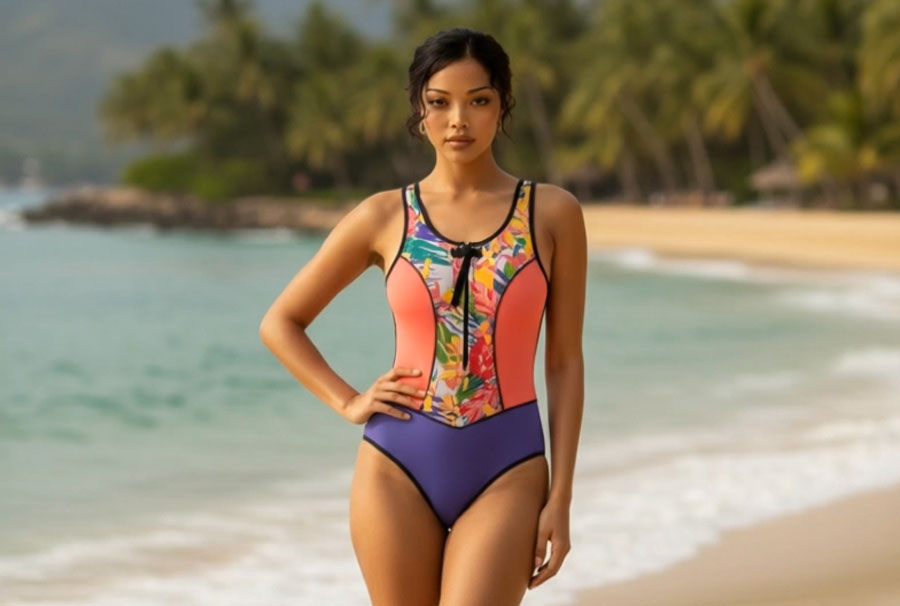
Where it usually fits
2 mm is usually the cleanest entry point when you want to validate feel, flexibility and build without moving into a heavier base.
Routes and references
Material routes and starting references
These are the first comparisons that normally make the material decision clearer before the order gets larger.
SBR 2 mm
The most natural entry point for sports panels
It fits well when the product is close to wetsuit panels, technical pieces or aquatic sports work.
From EUR 36.46
SBR 3 mm
More body when the panel asks for it
The same SBR logic when you need a slightly firmer base for the build.
From EUR 42.14
Foam 2 mm
The cleaner route for sleeves and accessories
Foam normally resolves sleeves, pouches, cases and softer accessories more naturally.
From EUR 32.06
CR 2 mm
Only when the brief justifies the jump
It is better treated as a selective option, not as the automatic upgrade.
From EUR 44.16
Where it fits
When this route usually makes more sense
- When the brief is still open. The first panel helps settle whether the project is really moving toward a technical panel or an accessory.
- When you want to validate before producing more. Material, print and finish become much clearer inside a short first order.
- When the commercial decision must stay clean. SBR should lead panels, foam should lead accessories and CR should stay higher up the ladder.
What to keep separate
The things that should not get mixed together
- Sports panels and accessories are not the same sale. Foam and SBR should not be pushed the same way when the end product is different.
- Zippers come later. First choose the base material, then settle hardware and closures.
- CR should not cover over SBR. Without a clear reason, it should not displace the material you most want to lead with.
Flow
A clearer way to start the first order
Step 01
Upload the artwork and place the product family first.
It helps to know whether the piece is acting more like a technical panel or an accessory.
Step 02
Lead with SBR or foam based on the real use case.
SBR for panels and aquatic sports routes; foam for sleeves, covers, pouches and cases.
Step 03
Leave CR and hardware until they genuinely belong.
They only move forward when the brief justifies them and the base is already clear.
Feedback
What people tend to mention after the first order
The same three things come up most often: they felt guided before ordering, the result looked right, and the material choice made the next step easier.
★★★★★
Support before ordering
I had a lot of questions before using the configurator, so I wrote on WhatsApp. They were patient, helped me choose the right thickness and the parcel arrived earlier than I expected.
Luca
★★★★★
Custom design
I was tired of the usual plain black suit and tried my own colours. The result came out sharp, the design looked right and people keep asking where I had it made.
July
★★★★★
Fit and weekly use
Standard sizing never worked properly for me. Going custom felt much closer to a second skin, with no water getting in through the neck and a material choice that finally made sense.
Alex
FAQ
What usually needs clarifying before ordering
Should I start with SBR if the product is closer to a sleeve or a case?
Usually no. Foam is normally the better base for sleeves, pouches and softer accessory products. SBR makes more sense when the route is moving toward wetsuit and aquatic sports construction.
Should CR be the default upgrade from the start?
No. The cleaner commercial route is to keep CR selective and compare it against standard SBR before moving there.
If the route is already clear, the first panel usually saves time later
Upload the artwork, validate the material on a real panel and use WhatsApp if you want the route checked before paying.
Instagram: @customneoprene